 by admin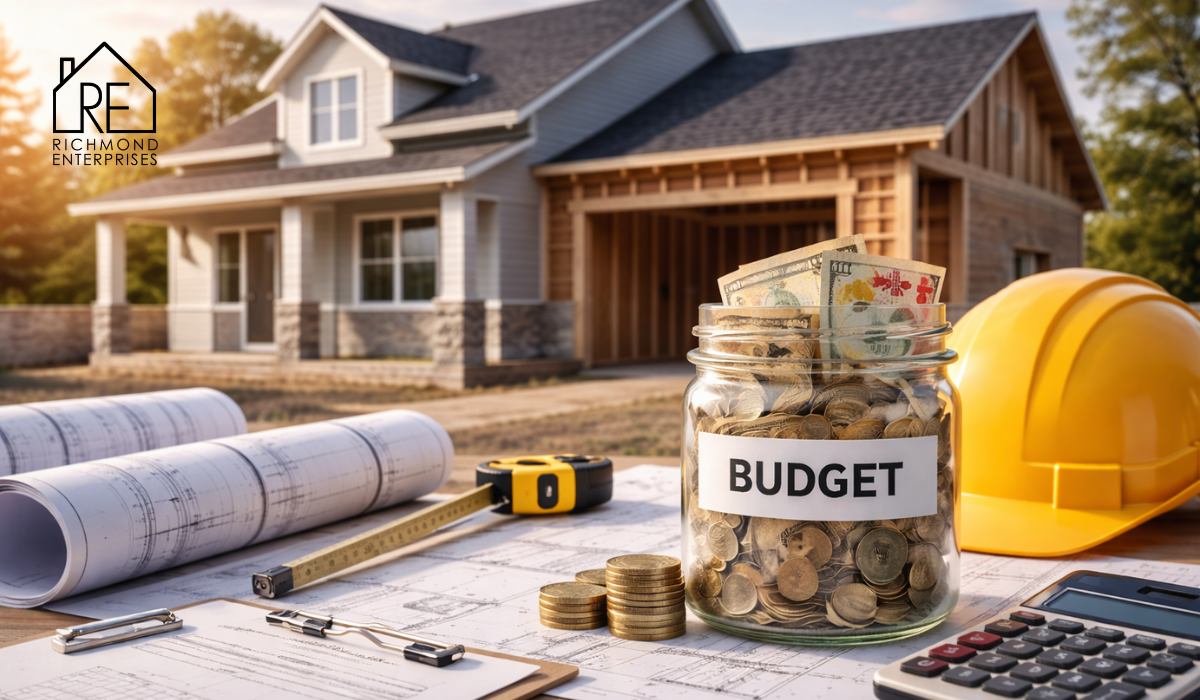
Building a home in 2026 presents unique challenges, especially with rising construction costs. However, building a home on a budget doesn’t mean you have to compromise on quality.
With careful planning, smart decisions, and strategic budgeting, you can create a high-quality home that meets your needs without breaking the bank.
In Canada, the average cost to build a home in 2026 ranges between $200 and $400 per square foot, depending on location, design complexity, and materials.
Despite higher costs, there are ways to manage your budget effectively and build a home that’s both affordable and of high quality.
Start With a Realistic and Detailed Budget
A realistic, well-structured budget is the cornerstone of any successful construction project. Many homeowners underestimate the total cost of building a home, often overlooking important factors such as site preparation, permits, and unexpected changes.
Key Tips for Budget Planning:
Break Down Costs: Your budget should include everything from materials and foundation work to labor and site preparation. Don’t forget to add permit costs, inspections, and landscaping.
Contingency Fund: Set aside 10–15% of your total budget to cover unexpected costs such as material price increases, unforeseen site work, or changes in project scope.
Track Market Trends: Stay updated on material costs, as prices can fluctuate due to global supply chain issues and local demand. Regularly check with your builder or supplier to keep your budget in line with current market trends.
Planning your budget before signing contracts helps avoid surprises and ensures you make informed decisions.
Simplify the Design Without Sacrificing Quality
The design of your home significantly impacts your costs. More complex designs with intricate angles, custom features, and larger footprints can quickly escalate your budget.
Cost-Effective Design Strategies:
Opt for a Simple Layout: A simple floor plan with fewer corners and walls typically reduces both material and labor costs.
Consider a Two-Story Home: Instead of spreading out horizontally, build up with a two-story layout. This allows for a larger living space without the need for a bigger foundation or roof, saving you money.
Open Floor Plans: Fewer walls and doors save on materials and labor while making your home feel spacious and modern.
Focusing on a simple yet functional design can help you stay within budget while still achieving your desired look.
Prioritize Structural Quality Over Aesthetic Upgrades
While it’s tempting to splurge on luxury finishes, the structure of your home should always come first. A solid, well-constructed foundation, walls, and roof will ensure the long-term durability and safety of your home.
Focus on Structural Integrity:
Invest in the Foundation and Framing: Ensure the foundation and framing are sturdy. These elements are critical to your home’s stability and will reduce the need for costly repairs in the future.
Energy Efficiency: Invest in high-quality insulation and energy-efficient windows. Though these may cost more initially, they will save you money on heating and cooling bills over time.
Plan for Maintenance: Avoid high-maintenance materials that will require constant repairs. Choose durable, low-maintenance options for roofing, siding, and flooring.
By prioritizing the structural elements, you’ll ensure your home remains safe, stable, and cost-effective for years to come.
Get Multiple Quotes and Shop Around
Getting quotes from multiple contractors and suppliers can significantly affect your budget. Prices can vary due to labor capacity, supplier relationships, and material sourcing.
Steps to Save Through Competitive Quotes:
Get at Least Three Quotes: Always get quotes from multiple contractors. Make sure all quotes cover the same scope of work, materials, and timelines to make an accurate comparison.
Negotiate Prices: Don’t be afraid to negotiate. Contractors often offer discounts or flexible payment terms, especially for larger projects.
Check References: A low quote may seem appealing, but it’s important to verify the contractor’s reliability by checking references and reviewing past projects.
Taking time to compare quotes ensures that you’re getting the best value without sacrificing quality.
Choose Cost-Effective Materials With Long-Term Value
Materials are often one of the largest expenses in homebuilding. While it’s tempting to choose high-end finishes, many affordable alternatives still provide high quality.
Smart Material Choices:
Opt for Mid-Range Finishes: Instead of luxury options like granite countertops or high-end flooring, choose materials that offer value and durability without the premium price tag.
Shop in Bulk: Purchasing materials in bulk can often result in significant savings, especially for larger projects.
Source Locally: Buying materials locally eliminates the added cost of transportation and shipping fees.
Balancing aesthetics and practicality will help you get more value for your money.
Manage Time Efficiently to Save Costs
Construction delays can be costly. Delays increase labor costs, extend equipment rentals, and disrupt the entire project. Staying on schedule is key to keeping costs in check.
Ways to Stay on Schedule:
Finalize Design Early: Changes during construction often result in expensive change orders. Ensure that design and material choices are settled before work begins.
Monitor Progress Regularly: Stay involved with your project by having regular updates. This ensures that any potential issues are caught early before they become costly problems.
Hire Experienced Professionals: Working with skilled professionals can prevent unnecessary delays, keeping the project on track and within budget.
Efficient project management reduces the risk of delays and keeps your project on schedule.
Take Advantage of Phased Construction
If you’re working with a tight budget, consider building your home in phases. This approach allows you to complete the essential parts of your home and finish non-essential areas later.
Phased Building Benefits:
Start with Core Areas: Begin with the most important parts of the home (living areas, kitchen, bathrooms).
Finish Non-Urgent Areas Later: Add extra spaces (basement, garage, landscaping) when you have the funds.
Move In Sooner: Phased construction allows you to move into your home sooner while saving money over time.
This strategy allows you to balance upfront costs with the ability to expand as your finances allow.
Be Informed About Regional Cost Trends
Location plays a major role in construction costs. Building in larger urban areas such as Toronto or Vancouver can be significantly more expensive than in smaller towns or rural areas due to land prices, labor availability, and local regulations.
How to Manage Regional Variations:
Understand Average Costs: Research construction costs specific to your region to ensure your budget aligns with local expectations.
Leverage Local Incentives: In some areas, you may be eligible for tax incentives or rebates for sustainable building practices, which can lower your overall costs.
By understanding the regional cost trends, you can make smarter decisions about where to build and how to plan your budget.
Conclusion: Building Smart, Building Affordable
Building a home on a budget in 2026 doesn’t require cutting corners. It means making informed decisions, prioritizing structural integrity, and managing costs strategically.
By starting with a realistic budget, simplifying your design, and choosing cost-effective materials, you can build a home that’s affordable and built to last.
With careful planning, smart choices, and expert guidance, your dream home can become a reality, without the financial strain.
FAQs: Building a Home on a Budget in 2026
How can I reduce costs without compromising quality?
Simplify the design, prioritize structural quality, and choose durable, cost-effective materials. Get multiple quotes and finalize decisions early to avoid costly changes.
How do I create a realistic budget?
Include all costs: materials, labor, permits, and a contingency fund of 10-15% for unexpected expenses. Track market trends to stay aligned with current prices.
How can I simplify the design and stay within budget?
Choose a simple floor plan with fewer custom features, and consider a two-story layout for more space without higher foundation costs.
Can I build in phases to stay within budget?
Yes! Start with essential areas (living spaces, kitchen) and add extras (basement, landscaping) later as funds allow.
Should I use cheaper materials to save money?
Opt for durable, low-maintenance materials that offer long-term value, like vinyl siding and laminate flooring. Avoid materials that will need frequent repairs.
How can I avoid delays and extra costs?
Finalize designs and materials early, work with experienced contractors, and regularly check progress to keep the project on schedule.